

In 2026, Schema Markup isn’t just an SEO tactic – it’s a necessity. With search engines becoming more reliant on AI and structured data, the importance of precise communication between your website and search engines has never been higher. Schema Markup bridges this gap by structuring your website data in a way that search engines like Google can easily understand. This leads to improved search visibility, enhanced user interaction, and increased click-through rates.
At Tecmax Digital, we believe that future-forward SEO strategies demand clean, structured, and easily digestible data formats. Schema Markup not only enhances user experience by creating rich search snippets but also enables your brand to stand out in an increasingly competitive digital environment. Implementing it effectively gives your content the best chance of being found and featured by search engines.
What Is Schema Markup?
Schema Markup is a form of structured data added to your website’s code to help search engines understand the context of your content. It’s written in JSON-LD format and allows pages to appear with enhanced descriptions in search results – like star ratings, images, FAQs, and pricing. This helps search engines deliver more informative and attractive results to users.
Originally developed by major search engines like Google, Bing, and Yahoo, Schema.org defines a common vocabulary that allows your content to be categorized appropriately. Whether it’s a product page, an event listing, or an article, schema provides clarity on what your content means – not just what it says.

Why Schema Markup Matters in 2026
- Enhanced Visibility: In a crowded search landscape, rich snippets catch attention.
- Voice Search Optimization: Structured content is crucial for voice search relevance.
- AI-Driven Search: Google’s algorithms in 2026 rely more on structured context.
- Higher Click-Through Rates: Rich results attract more clicks than plain listings.
- Future-Proofing: Structured data aligns your site with emerging search tech.
Search engines now prefer content that is structured and machine-readable. Without Schema Markup, your website could be overlooked in search results, especially when competing with sites that do provide enhanced data. As zero-click searches increase and Google displays answers directly, Schema gives your content a better chance of being featured.
Schema also supports mobile-first indexing and smart assistants, ensuring that your site remains accessible across all platforms. In short, it’s your website’s voice in the evolving ecosystem of search.
Types of Schema Markup
- Organization Schema
Helps display your brand details, logo, and contact in knowledge panels. Ideal for branding and corporate visibility. It’s especially useful for local businesses and enterprises who want to ensure their official presence is highlighted.
- Product Schema
Highlights product info, including pricing, reviews, and availability in SERPs. Essential for e-commerce platforms and online retailers. It ensures that users can make quick purchase decisions directly from the search page.
<script type="application/ld+json">
{
  "@context": "https://schema.org/",
  "@type": "Product",
  "name": "Advanced SEO Optimization Package",
  "image": "https://www.tecmaxdigital.com/assets/seo-package.jpg",
  "description": "A comprehensive SEO package by Tecmax Digital designed to boost organic rankings, improve technical SEO, and enhance site performance for competitive niches.",
  "brand": {
    "@type": "Brand",
    "name": "Tecmax Digital"
  },
  "sku": "SEO2026PRO",
  "offers": {
    "@type": "Offer",
    "url": "https://www.tecmaxdigital.com/services/seo-optimization",
    "priceCurrency": "USD",
    "price": "499.99",
    "priceValidUntil": "2026-12-31",
    "itemCondition": "https://schema.org/NewCondition",
    "availability": "https://schema.org/InStock"
  },
  "aggregateRating": {
    "@type": "AggregateRating",
    "ratingValue": "4.9",
    "reviewCount": "137"
  }
}
</script>
- FAQ Schema
Allows FAQs to appear directly in search, improving space and click-throughs. Commonly used for service pages and informational blogs. This schema improves the overall usability of your site by giving quick answers.
<script type="application/ld+json">
{
  "@context": "https://schema.org",
  "@type": "FAQPage",
  "mainEntity": [
    {
      "@type": "Question",
      "name": "What is schema markup in SEO?",
      "acceptedAnswer": {
        "@type": "Answer",
        "text": "Schema markup is structured data added to a website’s code that helps search engines understand the content. It can enhance listings in search results with rich features like ratings or FAQs."
      }
    },
    {
      "@type": "Question",
      "name": "How does schema improve my website's SEO?",
      "acceptedAnswer": {
        "@type": "Answer",
        "text": "By adding schema markup, your content becomes eligible for rich snippets in search results. This can increase visibility, improve click-through rates, and provide more context to users."
      }
    }
  ]
}
</script>
- Article/Blog Schema
Boosts blog content with publish date, author, and snippet enhancements. Great for publishers, content marketers, and news platforms. It also boosts trust and credibility in search listings. - Event Schema
Promotes your upcoming events with date, venue, and ticket details. Perfect for webinars, conferences, and product launches. Users can see your events in search and take action immediately. - Review Schema
Shows ratings and reviews that enhance social proof. Very useful for product pages, restaurants, or service providers. Positive review snippets improve trust and can significantly boost conversions.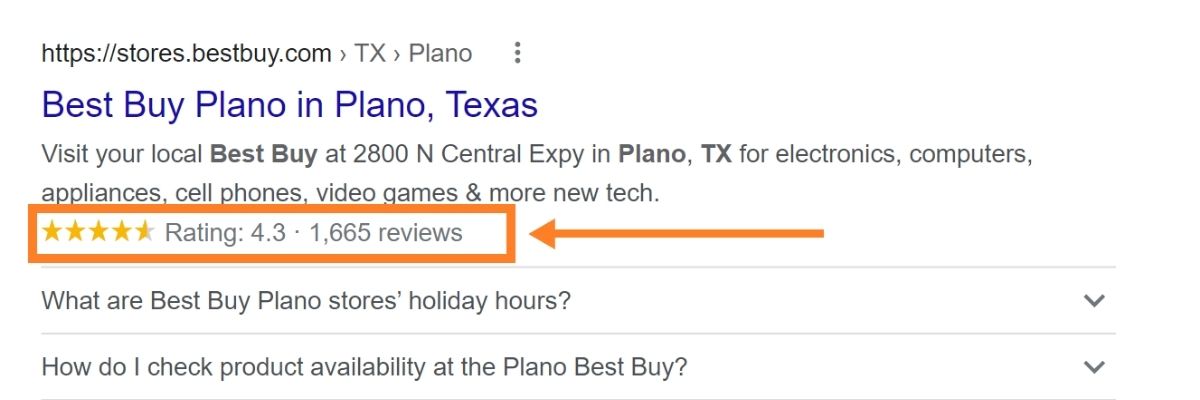
- Local Business Schema
Helps businesses highlight local presence with address, phone number, hours, and map integration – crucial for local SEO. It supports visibility in Google Maps and other local platforms, helping customers find you easily.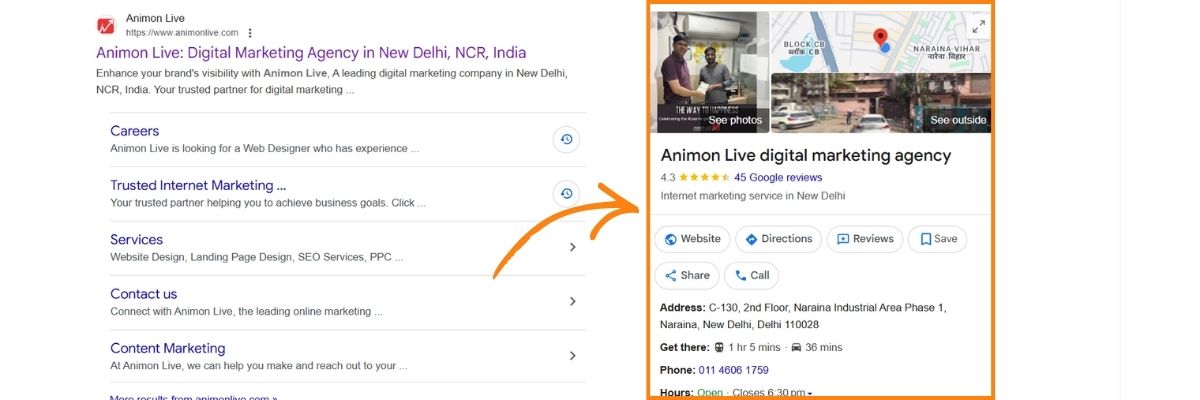
How to Implement Schema Markup
- Use Google’s Structured Data Markup Helper to select content types.
- Generate JSON-LD code and paste it inside the or of your page
- Validate using Google Rich Results Test or Schema.org validator.
- For CMS users, install plugins like Yoast SEO or Rank Math.
- Regularly audit and update schema to stay aligned with SEO changes.
Correct implementation ensures your markup is not just added – but is eligible for rich results. If not implemented properly, schema may be ignored or flagged, which could impact search performance.

Tools for Generating Schema Markup
- Google Structured Data Markup Helper
- Merkle Schema Markup Generator
- TechnicalSEO.com Tools
- Yoast SEO (WordPress)
- Schema Pro Plugin
- JSON-LD Generator by RankRanger
Each of these tools offers easy interfaces for creating customized schema, with real-time validation and integration with major CMS platforms.
Common Mistakes to Avoid
- Incorrect nesting or syntax: This prevents schema from being read properly.
- Using schema types that don’t match content: Always match schema to actual content.
- Overusing or spamming FAQ schema: This could lead to a penalty.
- Not validating with testing tools: You may miss formatting issues.
- Forgetting to update structured data after page edits: Schema should reflect your content accurately.
Avoiding these mistakes ensures long-term success and trust with search engines.
How Tecmax Digital Can Help
At Tecmax Digital, we don’t just add Schema Markup – we optimize it strategically. Here’s how we ensure your business stays ahead:
- Conduct in-depth schema audits and technical assessments
- Customize JSON-LD markup to match your services and content types
- Integrate markup with your CMS or custom website framework
- Submit and monitor structured data performance via Search Console
- Educate your team on schema trends and algorithm changes
We believe that structured data is foundational to visibility in 2026 and beyond. Whether you operate a local business, a large-scale eCommerce platform, or a blog, Tecmax Digital ensures your data communicates meaningfully with search engines. Our end-to-end approach combines technical precision with strategic foresight.
FAQs
- What is schema markup in SEO?
Schema markup is a form of structured data that provides search engines with context about your content. It enhances your listings with features like star ratings, images, and more, which leads to higher visibility and clicks. - Is schema markup necessary for ranking?
While it’s not a direct ranking factor, schema markup improves visibility through rich snippets. These visually enhanced results attract more attention, resulting in improved engagement and ranking potential. - What’s the easiest way to add schema?
Use tools like Google’s Structured Data Helper or plugins like Yoast or Rank Math. These tools generate JSON-LD code and guide you in embedding it properly into your site. - What are rich snippets?
Rich snippets are enhanced search results that show extra information like reviews, prices, or FAQs. They improve your listing’s appeal and can increase click-through rates significantly. - Can I add multiple schema types on a page?
Yes. If your page includes multiple content types – like an event with reviews and FAQs – you can apply multiple schema types, provided they’re properly structured and relevant. - What format should I use for schema?
JSON-LD is the recommended format by Google in 2026. It’s easier to manage and doesn’t interfere with the visual layout of your website. - Do all schema types appear in search?
Not always. Google decides what to display based on search intent and relevance. However, implementing schema correctly increases your chances of being featured in rich results. - How do I test if my schema works?
Use the Rich Results Test or Schema Markup Validator from Schema.org to ensure your structured data is error-free and eligible for search enhancements. - Does schema improve mobile SEO?
Yes. On mobile, space is limited, and rich snippets allow your content to deliver value upfront. This improves user engagement and supports Google’s mobile-first indexing. - Will schema markup evolve in the future?
Definitely. With AI and voice search growing, schema will evolve to support newer types of content and interactions. Staying updated is essential for maintaining SEO performance.